Is a Whole-Home Humidifier Right for Your Home?
During colder months, indoor air can feel dry, especially when a home is heated for long periods. A whole-home humidifier adds moisture to the air and is typically connected to a home's heating and ventilation system. Whether it is worthwhile depends on indoor humidity, comfort concerns, the home itself and your willingness to maintain the equipment.
Before buying one, it helps to understand what a humidifier can and cannot do. It may improve comfort when indoor air is genuinely too dry, but excessive humidity can encourage condensation and mould. Measuring humidity and checking the home for moisture issues are useful first steps.
1. What Is a Whole-Home Humidifier?
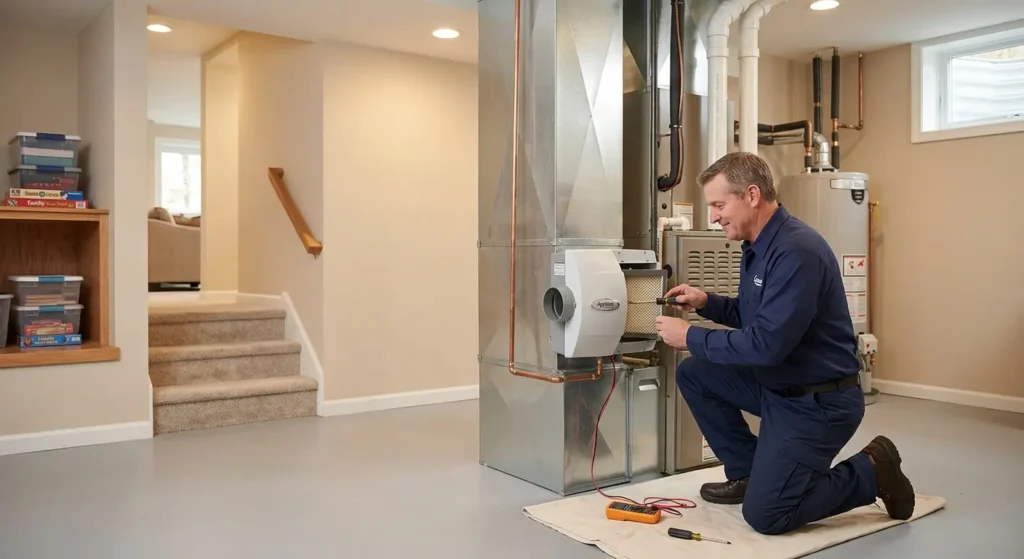
A whole-home humidifier is installed as part of a home's HVAC system, often near the furnace or ductwork. Depending on the model, it adds controlled moisture to the air that circulates through the home. Unlike a portable unit that serves one room, a properly selected and installed whole-home system can help manage humidity across multiple living areas.
2. Possible Benefits for Dry Indoor Air
When indoor humidity is too low, some people notice dry skin, dry nasal passages, static electricity or discomfort. Raising humidity into a suitable range may help reduce these dry-air symptoms and make the home feel more comfortable. Results vary from person to person, and a humidifier should not be treated as a cure for respiratory illness or allergies.
3. Check Your Indoor Humidity First
A simple hygrometer can help you understand the humidity level in your home. Indoor humidity needs change with outdoor temperature, insulation, windows and ventilation. There is no single setting that is ideal in every condition; during cold weather, the right level may need to be lower to prevent condensation on windows and cold surfaces.
4. Watch for Condensation and Excess Moisture
Water droplets on windows, damp patches, musty smells or visible mould can signal a moisture problem. Adding humidity in these conditions may make the problem worse. Address leaks, ventilation and existing moisture issues first, and seek professional advice if condensation continues or mould is present.
5. Whole-Home vs. Portable Humidifiers
A portable humidifier can be a practical option for a bedroom or one frequently used room, and it usually has a lower upfront cost. A whole-home unit is more integrated and may offer more consistent humidity across the home, but installation and ongoing maintenance are more involved. The best choice depends on the size of the area, your budget and your home's HVAC setup.
6. Is Your HVAC System Compatible?
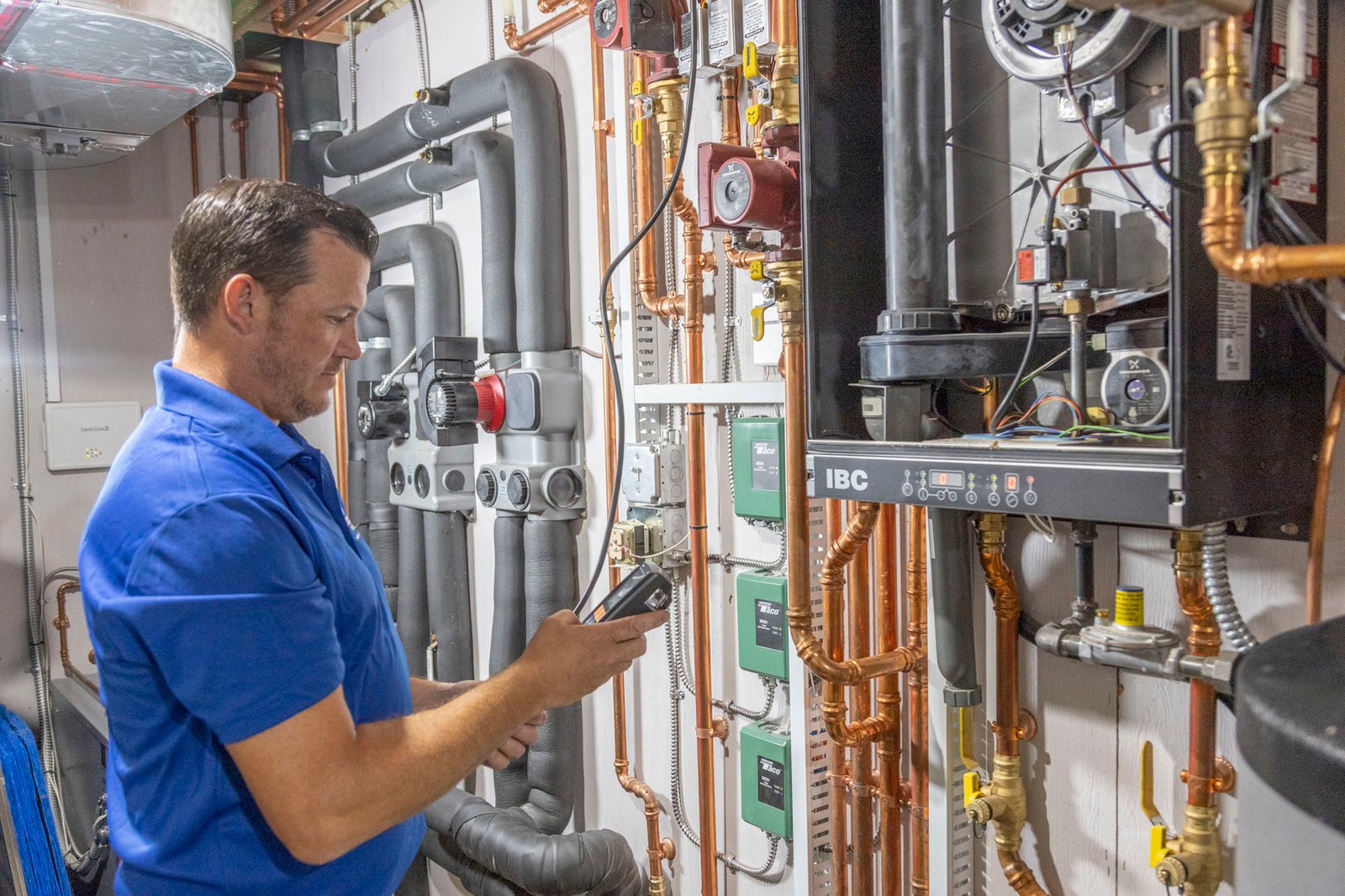
A whole-home humidifier needs to be compatible with the existing furnace, ductwork, controls and available space. Installation details differ by model and home. Ask a qualified HVAC professional to inspect your system, explain the available humidifier types and confirm what installation work is required before purchasing equipment.
7. Maintenance Is Important
Humidifiers need routine care. Depending on the model, this may include replacing a water panel or filter, cleaning components, checking the water supply and drain, and following the manufacturer's seasonal instructions. Neglecting maintenance can reduce performance and may contribute to mineral buildup, leaks or hygiene concerns.
8. Consider Water Quality and Operating Costs
Hard water can leave mineral deposits in some humidifiers, so maintenance needs may depend on local water conditions and the model you choose. Ask about replacement parts, water use, electricity use and any required service. Compare the full ownership cost, not only the purchase price.
9. When a Whole-Home Humidifier May Make Sense
It may be worth considering if humidity measurements show persistently dry indoor air during heating season, you want to manage humidity across several rooms, and your home and HVAC system are suitable. It may be less useful if humidity is already comfortable, you only need moisture in one room, or the home has unresolved condensation or dampness.
Questions to Ask Before Installation
- What is the measured humidity level in my home during the heating season?
- Which humidifier type is compatible with my furnace and ductwork?
- How will the system control humidity as outdoor temperatures change?
- What regular cleaning, parts and seasonal maintenance will be required?
- What are the installation cost and ongoing operating costs?
- How will the installer check for leaks, drainage and proper operation?
Simple Steps You Can Take First
Use a hygrometer to monitor indoor humidity in more than one room and note whether levels change when the heating system runs. Keep bathroom and kitchen exhaust fans working, use ventilation as appropriate, and investigate leaks or persistent window condensation. Avoid setting a humidifier high just to reach a target number if windows or walls begin collecting moisture.
Final Thoughts
A whole-home humidifier can be a useful comfort upgrade when indoor air is consistently too dry and the system is installed and maintained correctly. It is not necessary for every home, and too much humidity can create its own problems. Measure first, consider the condition of your home and HVAC system, and compare options with a qualified professional.
If you are considering a whole-home humidifier in London or Brampton, Ontario, Expert HVAC Technician can help you discuss your home's indoor comfort needs and the available options.
Contact Our Team